
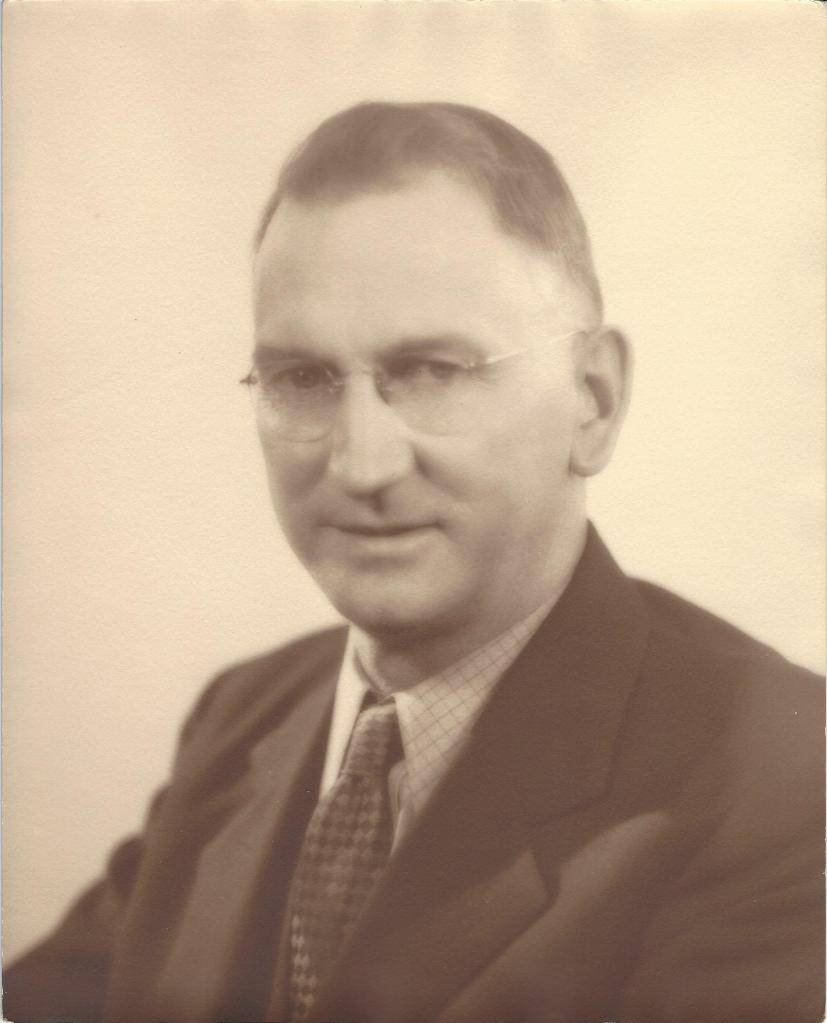
Born October 3, 1880 in Titusville, PA and died September 6, 1958 in Albion, Erie Co PA. He married Margaret Margarita Ward January 24, 1911 in Oil City PA.
An interesting fact here is that my brother, Stephen Roger Lillie was born the same day in Conneaut, Ohio. It is said that they did not share the news with the parents of the child (my Mother and Father) thinking it would upset them. They found out at a later date that this tragedy occurred. There is much to discuss about this auspicious event, but at a later time.
Notes from cousin Roxie:
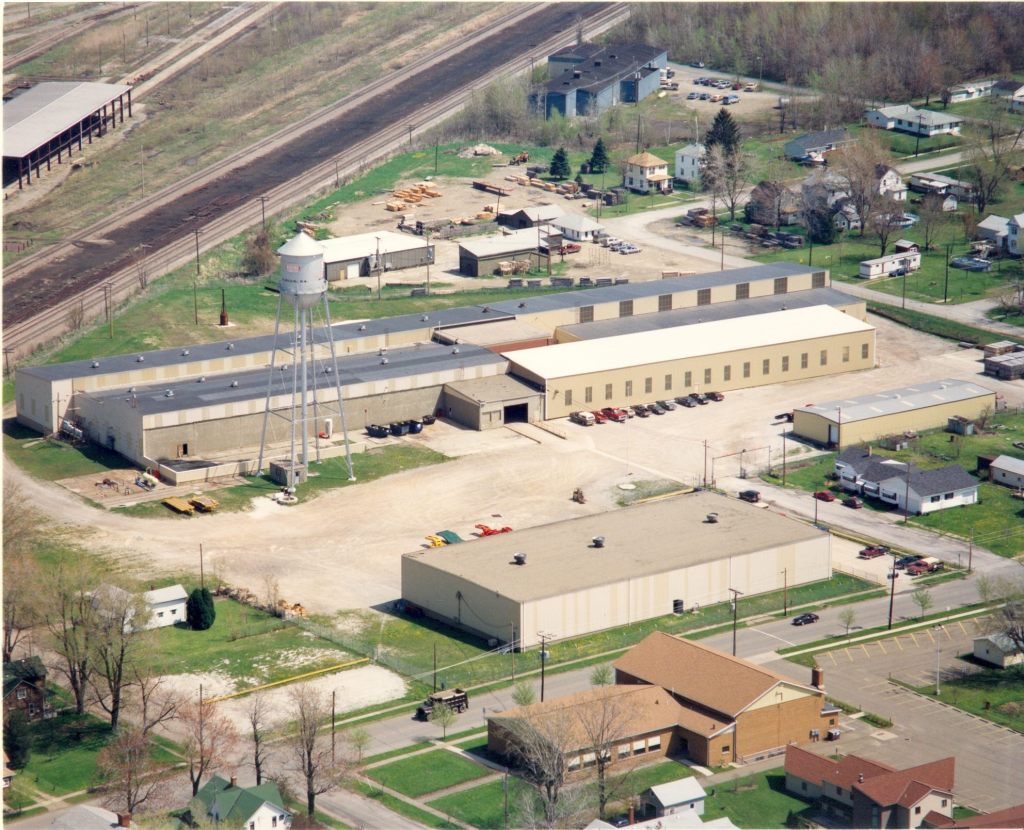
The roots of this company extend from Albion to the nearby small town of Pageville, where in the 1890’s, the three Rogers brothers grew to manhood on their fathers’s farm. Their invaluable experience gained on the farm was considerably enhance by the fact that their father also owned a saw mill and this gave them an opportunity to become familiar with and to operate various types of machinery.
In 1904, through contacts established in the course of their lumbering activities, the two older brothers, Charles and Louis (my Great Grandfather), became associated with the Kellogg Brothers Iron Works, Buffalo, NY and were engaged to sell bridges in Western Pennsylvania. The younger brother, Hugh, was hired by the company to construct the concrete abutment work and to supervise the construction of the steel super-structure.
In 1905, the brothers decided to go into business for themselves and built their own small factory in Albion just north of the mill which is now owned by Willard Johnson. They engaged in bridge building and general structural iron work for the next several years and built many of the local culvert-type bridges. Some of these bridges are still in use and one of them is located on Bessemer Street.
The plant was moved to its present location in 1907 and a contract was accepted to build a railroad bridge in Williamsport Pennsylvania. Upon successful completion of this project, the company contracted to build a bridge over the Allegheny River at Oil City, PA. This bridge consists of three large spans plus an 80 foot span over the railroad tracks for a total of 1085 feet. It has been in continuous operation for 47 years and is an imposing monument to the integrity and ability of the three brothers.
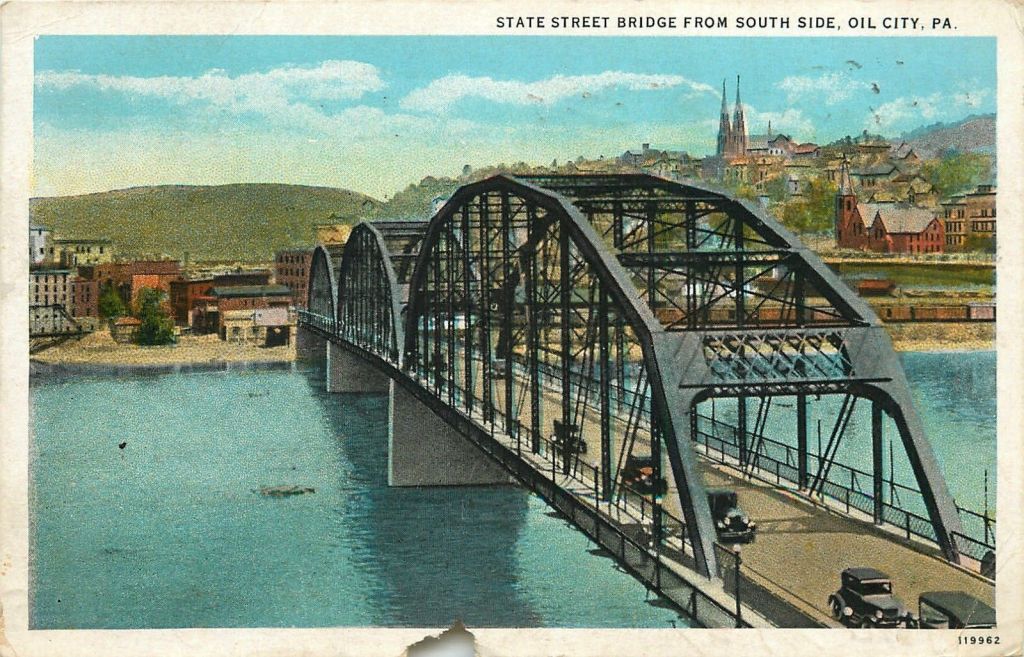
Upon completion of the Oil City bridge in 1912 and in order to recoup their losses caused by a $50,000 fire at the factory, the company engaged in rebuilding steel gondolas for the Bessemer & Lake Erie Railroad. This contract was completed in 1914 and in that same year, the Rogers Brothers offered their first commercial trailer to the public. This venture met with immediate success and soon hundreds of two-wheel, 1 ton capacity trailers were finding their way into an ever-expanding market.
In 1917 when America entered World War I, the Rogers Brothers were awared a contract for 60 trailers for the Quartermaster Corps. These were 5 ton , 2 wheel trailers used to haul miscellaneous equipment. This was followed by other war contracts and at their peak of production, 75 frames were being produced every 24 hours.

In 1921, the first large low bed trailer was produced for the Riverside Light & Power Co., Riverside, CA. It was of 40 ton capacity and had steel tired wheels. In 1923, solid rubber tires were used and the arch goose-neck first made its appearance.
In 1925, the company was incorporated under the name of Rogers Brothers and Charles Rogers became its first president. The company suffered losses during the stock market crash of 1929 but continued, nevertheless, to maintain its leadership in the low bed heavy duty trailer field. In 1932, pneumatic tires were used for the first time.
In 1935, Charles Rogers was fatally injured in an automobile accident, and Louis Rogers became president.
In 1936, welded frames were substituted for riveted frames and low alloy tensile structural sections replaced carbon beams as main carrying members.
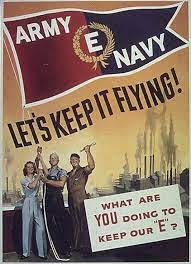
With its background of pioneering, it is not surprising that Rogers Brothers received the first military contract in World War II. In cooperation with the War Department, Rogers Brothers developed the 45 ton tank transporter and tank retriever trailer. Plant facilities were expanded by 125% and production started in the fall of 1941. By July, 1942, operating three shifts with a force of 480 men, ten trailers were produced every 24 hours. For this achievement, the company was awarded the Army-Navy E Flag.
Rogers Brothers filled many other military contracts for the United States, England, and Canada. Including both military and civilian models, approximately 24,000 trailers have been produced since the company was started. The largest trailer ever built was designed for the Manhattan Project. It carried a load of 300 tons on 64 pneumatic tires over 30 miles of desert sand. It was 18 feet wide and 40 feet long. (The Manhattan Project was the code name for the American-led effort to develop a functional atomic weapon during World War II. … The Manhattan Project was started in response to fears that German scientists had been working on a weapon using nuclear technology since the 1930s—and that Adolf Hitler was prepared to use it.)
Although a great percentage of Rogers Brothers productive capacity for the past several years has been taken up with war work, the company has continued to improve its commercial models and to expand its plant facilities. Today, the plant covers 85,000 square feet and employs approximately 100 people. It is noteworthy that since the company was formed, not a single day has been lost as a result of a labor dispute.
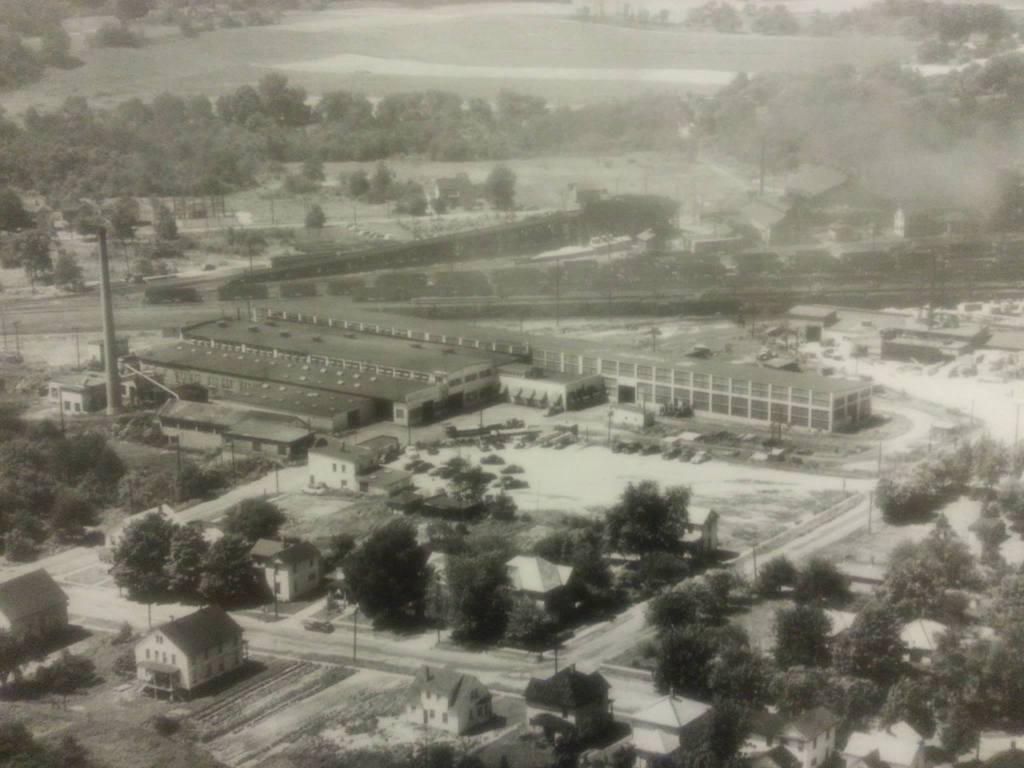
 Rogers-Lillie-Olin-Roberts
I would very much like to meet with you. My name is Larry Kulyk and, together with my children, own Rogers Brothers Corporation. My mother was Betty Rogers Kulyk. She was the daughter of Louis and Margaret Ward Rogers. I was very close to my grandfather, Lou, who died when i was 14 years old. Please contact me using the info below.
LikeLike